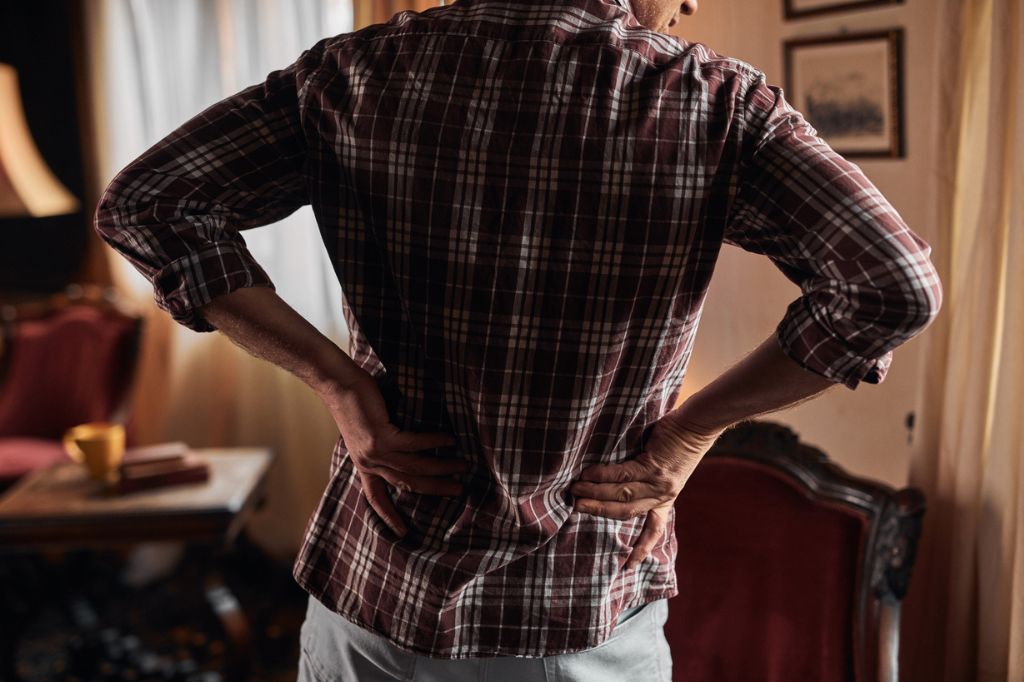
You finished your workout feeling great. Then a few hours later, or maybe the next morning, your hip starts aching. It might be a dull throb on the outside of your hip, sharp pain in the groin, or stiffness that makes getting out of your car uncomfortable.
Hip pain after exercise is frustratingly common. Your hip joint handles enormous forces during workouts, bearing your body weight plus the additional stress from running, jumping, lifting, or cycling. When something in this complex system gets overloaded or breaks down, pain follows.
Why Your Hip Hurts After Working Out
Your hip is a ball-and-socket joint where your thighbone (femur) meets your pelvis. It’s designed for both mobility and stability, which means lots of structures can become pain generators when stressed beyond their capacity.
Hip Flexor Strain
Hip flexor strains are among the most common causes of post-exercise hip pain, especially in runners, cyclists, and people who do a lot of leg raises or high-knee movements. These muscles at the front of your hip lift your knee toward your chest with every step or pedal stroke. Overuse or sudden increases in training intensity can irritate or tear these muscle fibers.
The pain typically shows up in your groin or front of your hip and worsens when you lift your knee, climb stairs, or get out of a car. You might feel it during your workout or only afterward as inflammation builds.
Hip Bursitis
Several fluid-filled sacs called bursae cushion your hip joint. The most commonly irritated one sits on the outside of your hip, over the bony prominence you can feel when you press on your hip bone. When this bursa becomes inflamed (trochanteric bursitis), you’ll feel pain on the outer hip that can radiate down the outside of your thigh.
Hip bursitis often develops from repetitive hip movements, running on cambered surfaces, or weakness in your hip stabilizing muscles. The pain is typically worse when lying on the affected side, climbing stairs, or after prolonged sitting.
Gluteal Tendinopathy
Your gluteal muscles (particularly gluteus medius and minimus) attach to your hip via tendons that can become irritated from overuse. This condition causes pain similar to hip bursitis on the outer hip but stems from tendon irritation rather than bursa inflammation.
Activities like running, especially with sudden increases in mileage or hill work, commonly trigger gluteal tendinopathy. The pain often worsens with single-leg activities and can persist for hours or days after exercise.
Hip Impingement (FAI)
Femoroacetabular impingement happens when abnormal contact occurs between your femur and hip socket during movement. Extra bone growth on either surface creates pinching, particularly with deep squats, lunges, or high-impact activities.
If you have FAI, you might feel a sharp, pinching sensation in your groin during exercise, especially with deep hip flexion. The pain often lingers after your workout and may be accompanied by clicking or catching sensations.
Labral Tears
Your hip labrum is a ring of cartilage that deepens your hip socket, providing stability and cushioning. Tears can happen from acute trauma or develop gradually from repetitive stress, particularly in athletes who do a lot of pivoting, twisting, or deep hip flexion.
Labral tear pain typically occurs in the groin and may feel like a deep, sharp ache. Many people describe a catching or locking sensation. The pain often worsens after exercise as inflammation increases.
Hip Osteoarthritis
Osteoarthritis develops when the cartilage cushioning your hip joint wears down over time. Exercise can aggravate arthritic hips, causing pain that peaks several hours after activity or the next morning as inflammation builds overnight.
Arthritic hip pain usually centers in the groin but can radiate to the buttock or thigh. Morning stiffness that improves with gentle movement is characteristic. The pain often worsens with impact activities and prolonged standing or walking.
Iliopsoas Tendinitis
The iliopsoas tendon connects your hip flexor muscles to your femur. Repetitive hip flexion, common in cycling, rowing, and running, can irritate this tendon. The pain typically occurs deep in the front of your hip or groin and intensifies when you lift your knee against resistance.
Piriformis Syndrome
Your piriformis muscle runs from your sacrum to the top of your femur, deep in your buttock. When it becomes tight or inflamed, it can irritate the nearby sciatic nerve. This causes pain deep in the buttock that may radiate down your leg.
Activities that repeatedly rotate or abduct the hip, like running on uneven surfaces or cycling with poor bike fit, can trigger piriformis syndrome. The pain often worsens with prolonged sitting and after exercise.
Causes of Hip Pain Based on Location
Where your hip hurts provides important clues about what’s causing the problem.
- Groin pain typically points to problems inside the hip joint itself: labral tears, hip impingement, hip flexor strains, iliopsoas tendinitis, or osteoarthritis. This is the most common pain pattern for intra-articular (inside the joint) hip problems.
- Outer hip pain suggests issues with the bursa, gluteal tendons, or IT band. Trochanteric bursitis and gluteal tendinopathy both cause pain over the bony prominence on the outside of your hip.
- Buttock pain often relates to piriformis syndrome, sacroiliac joint dysfunction, or referred pain from your lower back. True hip joint problems rarely cause isolated buttock pain.
- Front of hip pain typically involves hip flexor strains or iliopsoas tendinitis. This pain worsens with activities that lift your knee or bend your hip.
- Radiating pain down your thigh or leg suggests nerve involvement, either from piriformis syndrome affecting your sciatic nerve or from lower back issues referring pain to your hip region.
What Makes Hip Pain Worse After Exercise
Several factors contribute to why your hip might feel fine during your workout but painful hours later:
- Inflammation takes time to build. Your body’s inflammatory response to tissue stress doesn’t peak immediately. Swelling and pain often increase over several hours after exercise as inflammatory chemicals accumulate in the affected area.
- Adrenaline masks pain. During intense exercise, your body releases endorphins and adrenaline that naturally suppress pain signals. Once these levels drop post-workout, you feel the full extent of any damage or irritation.
- Muscles tighten as they cool. Your muscles stay warm and pliable during exercise but can tighten significantly as they cool down and fatigue sets in. This increased tension pulls on tendons and joints, amplifying pain.
- You stop moving. Many hip conditions feel better with gentle movement that promotes blood flow. When you finish exercising and become sedentary, stiffness and pain increase.
- Poor recovery habits worsen inflammation. Skipping post-workout stretching, inadequate hydration, or immediately sitting for long periods can all contribute to increased post-exercise hip pain.
How to Treat Hip Pain After Exercise
When hip pain strikes after your workout, these strategies can help you recover and get back to training:
Immediate Care (First 48-72 Hours)
Ice the affected area for 15-20 minutes several times throughout the day, particularly in the first 48 hours after pain develops. This reduces inflammation and numbs pain. Use a barrier between ice and skin to prevent ice burns.
Rest from the specific activities that triggered your pain, but don’t become completely sedentary. Gentle movement like easy walking or swimming can promote healing without stressing the injured tissues.
Anti-inflammatory medications like ibuprofen or naproxen can help manage pain and reduce inflammation when taken as directed. These work best as part of a comprehensive treatment approach, not as a long-term solution.
Gentle Stretching and Mobility Work
Once acute pain subsides, gentle stretching helps restore normal muscle length and reduces tension pulling on your hip. Focus on hip flexors, glutes, piriformis, hamstrings, and IT band. Hold stretches for 30 seconds and avoid bouncing or forcing movements.
Foam rolling can release tight muscles and improve blood flow to the area. Pay particular attention to your IT band, glutes, and hip flexors, but avoid rolling directly over bony prominences or acutely painful areas.
Progressive Strengthening
Weak hip stabilizers (particularly gluteus medius) contribute to many hip pain conditions. Once your acute pain resolves, begin strengthening exercises like side-lying leg raises, clamshells, single-leg bridges, and monster walks with resistance bands.
Core strength matters more than you might think. A strong core reduces compensatory stress on your hips during exercise. Include planks, dead bugs, and bird dogs in your routine.
Modify Your Training
Take an honest look at what triggered your hip pain. Did you increase mileage too quickly? Add hills or speed work abruptly? Skip your warm-up? Change your running surface? Identifying the trigger helps you modify training to prevent recurrence.
Cross-training gives your hips a break from repetitive stress while maintaining fitness. Swimming, cycling (if it doesn’t aggravate your hip), and upper body strength work let you stay active during recovery.
When to See a Specialist
Schedule an appointment with an orthopedic specialist if:
- Pain persists beyond two weeks despite conservative care
- Pain significantly limits your daily activities
- You experience clicking, catching, or locking in your hip
- Your hip gives out or feels unstable
- You have groin pain that doesn’t improve with rest
- Pain wakes you at night
- You develop numbness, tingling, or weakness in your leg
An orthopedic evaluation includes a physical examination and often imaging studies like X-rays or MRI to identify the specific cause of your pain. Treatment options may include physical therapy, targeted injections, or, in some cases, surgical intervention.
Expert Care for Hip Pain in Fort Lauderdale
Hip pain after exercise can sideline you from the activities you love, but it doesn’t have to become a chronic problem. With proper evaluation, targeted treatment, and smart prevention strategies, most people return to full activity.
At Orthopedic Specialty Institute, our team specializes in diagnosing and treating hip pain in active individuals. Whether you’re dealing with a minor overuse injury or a more complex hip condition, we provide comprehensive care from conservative treatment through surgical options when necessary.
Located in Fort Lauderdale, Orthopedic Specialty Institute proudly serves active individuals throughout South Florida, including Broward County, Palm Beach County, and Miami-Dade County. We offer same-day appointments to get you the care you need quickly.
Request an appointment today. Your return to pain-free activity starts here.